
Lawn care through the seasons in Canada
Mow high, water deeply and feed in the fall, and your lawn will need less work.
August 30, 2026 · 2 min read
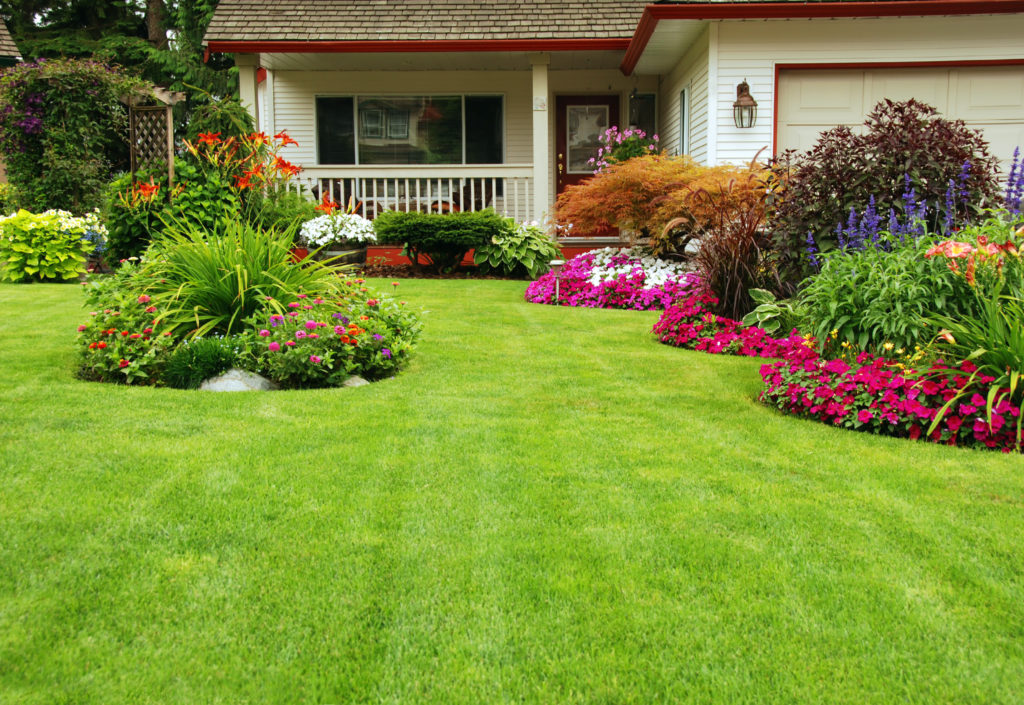
A healthy lawn comes from a few well-timed tasks, not constant work. In Canada, the season drives what to do, and your region matters.
The short version: mow high, water deeply but rarely, feed in the right seasons, overseed in the fall and avoid work when the lawn is frozen or stressed by drought.
Spring
- Rake away debris and dead grass once the ground has thawed and dried.
- Avoid walking on soggy turf.
- Repair bare spots with seed.
- Hold off on heavy fertilizing until the lawn is growing actively.
- Sharpen mower blades.
Summer
- Mow high, around 6 to 8 cm for many grasses, and never cut more than about a third of the blade at a time.
- Leave short clippings on the lawn to return nutrients.
- Water deeply, about 2.5 cm per week including rain, in the early morning. Check local watering restrictions.
- In hot dry spells, grass may go dormant and brown. That is normal, and it recovers with rain.
- Watch for weeds and pests, and spot treat.
Fall
Fall is the best time for lawn renewal in much of Canada.
- Aerate compacted soil.
- Overseed thin areas.
- Apply a fall fertilizer to help roots and winter hardiness, following the product directions.
- Keep raking leaves, since a thick layer smothers grass.
- Make a last cut slightly shorter, but not scalped.
Winter
Avoid walking on frozen grass. Be careful with de-icing salt near the lawn, and pile snow where it will melt without harming the turf.
Weeds and rules
Many municipalities and provinces restrict cosmetic pesticide use. Check your local rules, and consider cultural practices, such as mowing high, overseeding and good soil, to reduce weeds.
Soil and grass type
Use grass seed suited to your sun and region. A soil test shows pH and nutrients, so you only add what is needed. Compost helps soil structure.
Water-saving
Consider drought-tolerant seed mixes, smaller lawn areas or other ground covers.
Example
A thin lawn in September is a better candidate for aeration and overseeding than a heavy spring feeding.
Put numbers on it
- What is your home worth? — A free estimate from public data, in about a minute.
General information only, not financial, legal or tax advice. Rules and rates change; confirm with a qualified professional.