
Building a fence: rules, materials and neighbours
Check your property line and local bylaws first, then choose a material for the look and upkeep you want.
September 18, 2026 · 2 min read
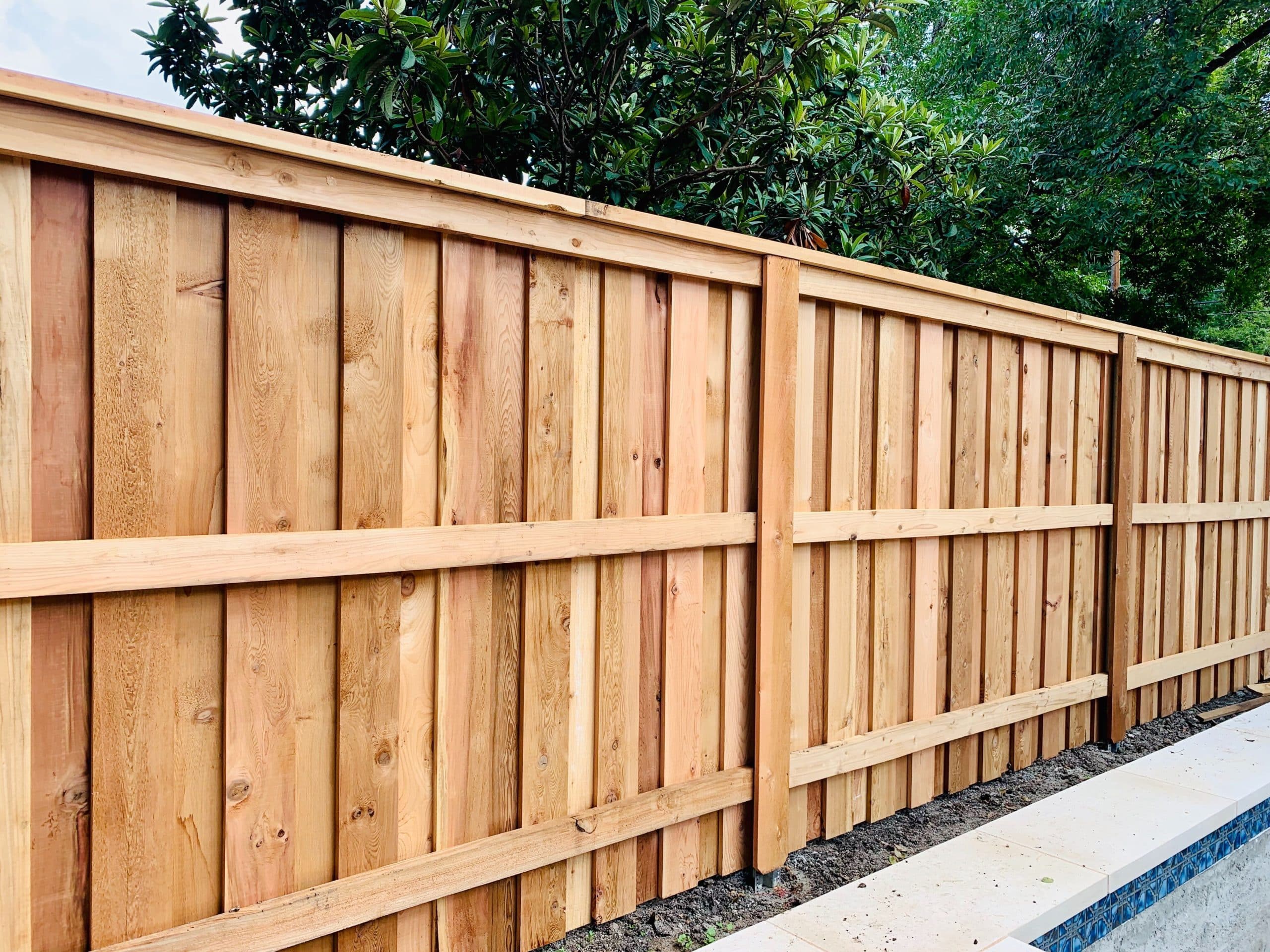
A fence gives privacy, security and a boundary for pets and children. Before you buy materials, check the rules, confirm where your property line is and choose a material that fits your budget and upkeep tolerance.
The short version: check your municipal bylaws and permit rules, confirm the property line, talk to your neighbour, call before you dig and choose a material and height that suit the purpose.
Rules first
Municipalities set rules on fence height, location, materials and whether you need a permit. Front yards are often limited to lower fences than backyards, and corner lots and pool enclosures have special rules. Check with your city or town before you build, and with your condo or HOA rules if they apply. The fence you build can be ordered removed if it breaks the rules.
Know your property line
Do not assume. A survey or property plan shows the line. Building on a neighbour's land is expensive to fix. Many people build slightly inside their own line. Talk with your neighbour early, since a shared fence may have shared costs, and the law on who pays varies by province.
Call before you dig
Buried gas, electrical, water and telecom lines can be dangerous to hit. Contact your provincial "call before you dig" service, such as Ontario One Call, before digging post holes. It is usually free.
Materials
- Wood: affordable and natural, but needs staining or sealing, and can rot or warp.
- Vinyl: low maintenance, but it can crack in extreme cold and is harder to repair.
- Metal (aluminum or steel): durable and good for security and views. It is less private.
- Chain link: economical and practical, with less privacy.
- Composite: lower maintenance and costs more.
Building tips
- Set posts deep enough for frost in your region, so the fence does not heave. Local building codes give frost depth.
- Use treated lumber or rot-resistant material for posts and parts near the ground.
- Plan gates for access and for hauling things in.
- Slope or step the fence on uneven ground.
- Leave a small gap at the bottom for drainage and to reduce rot.
DIY or hire
Fences are a manageable DIY job if you have tools and time, but post holes and alignment are demanding. Hiring a contractor gets you experience and a warranty. Get written quotes and check insurance.
Example
A neighbour may agree to share a fence on the property line, but get the agreement in writing and check your provincial rules on who pays.
Costs vary by material and region, so get quotes.
General information only, not financial, legal or tax advice. Rules and rates change; confirm with a qualified professional.