
Snow removal: tips, safety and your legal duties
Clear snow safely, early and often, and know your municipality's rules on sidewalks.
October 3, 2026 · 2 min read
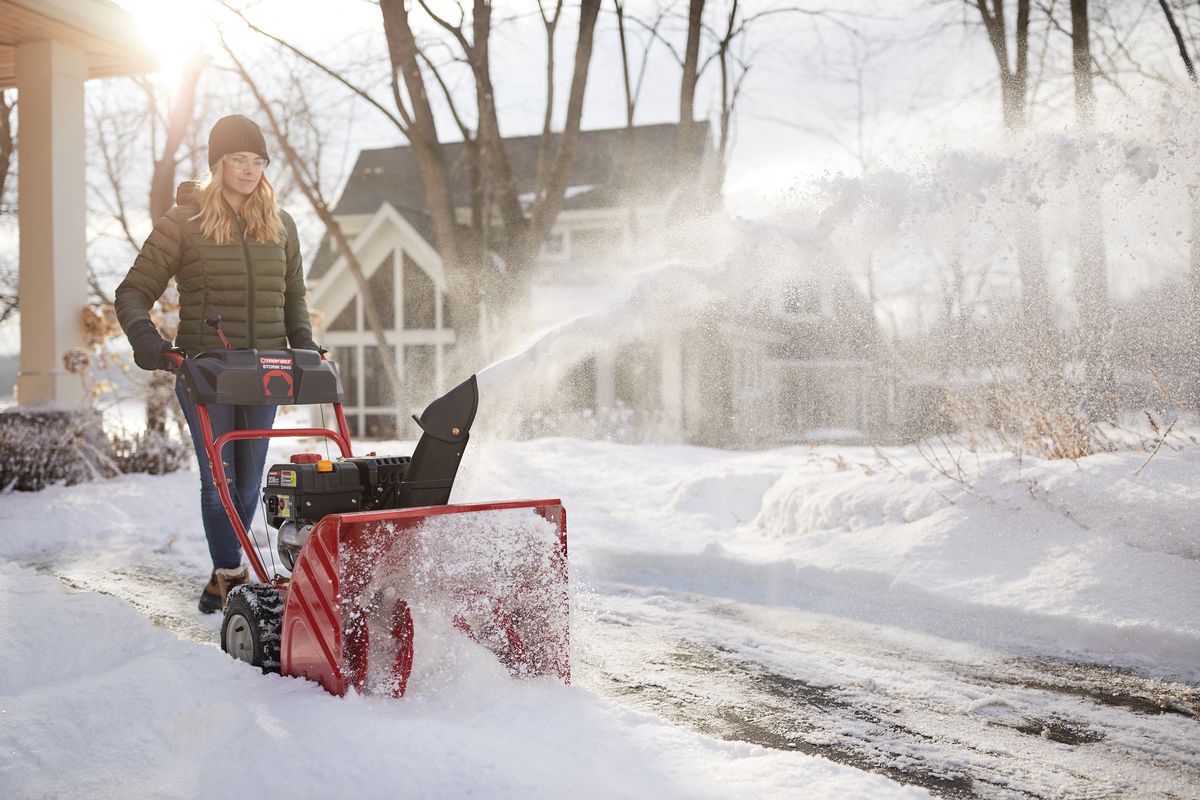
Clearing snow is hard on the body and carries real risks, from slipping to back injuries and heart strain. A plan and the right tools make winter easier.
The short version: clear snow early and often, push instead of lifting, take breaks, use de-icers carefully and check your municipal bylaws and insurance.
Know your responsibilities
Many municipalities require homeowners to clear sidewalks next to their property within a set time after a snowfall. If someone slips on ice you failed to clear, you could face liability. Check your local bylaw and ask your insurer about coverage. Keep fire hydrants, mailboxes and storm drains near your property clear if you can.
Tools
- Ergonomic shovel, with a bent handle and a plastic blade for lighter work.
- Push shovel for light snow.
- Snow blower, if you have a long driveway or heavy snow. Learn the safety instructions.
- Ice scraper and sand or traction aids.
Technique
- Clear snow as it falls, if you can, rather than waiting for a big pile.
- Warm up before you start.
- Push the snow when possible, and lift small loads only.
- Bend your knees, keep your back straight and avoid twisting.
- Take breaks and drink water.
- Dress in layers, with boots with good traction.
Heavy snow shovelling can strain the heart. Take care if you have heart conditions or are not used to exertion, and consider hiring help.
Snow blower safety
Never put your hand in the chute. Turn the machine off and wait for the parts to stop, then use a clearing tool. Do not leave it running in a closed garage, because of carbon monoxide. Refuel only when the engine is cool.
De-icing
- Sand adds traction but does not melt ice.
- Rock salt works but can damage concrete, plants and pets' paws.
- Use only what you need, and sweep up the excess.
- Consider alternatives that are gentler on surfaces, and read the label for the temperatures they work at.
Roof and eaves
Heavy snow loads and ice dams are a concern. A roof rake from the ground can help, but do not climb on an icy roof. See our guide on winterizing your home.
Hiring help
Snow removal contractors usually offer seasonal contracts or per-visit rates. Get the terms in writing, including how much snow triggers a visit, and confirm insurance.
Example
Clearing 5 cm twice is easier on your back than one 10 cm load of packed, heavy snow.
General information only, not financial, legal or tax advice. Rules and rates change; confirm with a qualified professional.