
Landscaping basics: planning a yard that looks good and lasts
Start with a plan, drainage and hardy plants, and build the yard in stages.
October 3, 2026 · 2 min read
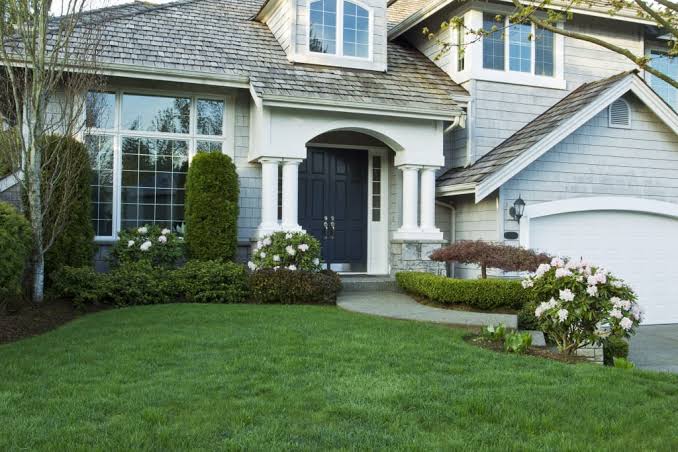
Good landscaping makes a home more enjoyable and can improve curb appeal. You can build it in stages, and a plan keeps you from wasting money.
The short version: start with a plan and drainage, choose plants suited to your climate and light, add structure like paths and beds, and phase the work over time.
Start with a plan
Sketch your yard and note sun and shade, slope, drainage, utilities, the views you want to frame or hide and how you will use the space. Decide your budget and phases. Take photos through the seasons to see how it changes.
Look at drainage and grading
The ground should slope away from the house. Fix standing water first, since it can harm plants and the foundation. Call before you dig to locate underground utilities.
Choose the right plants
- Match plants to your hardiness zone, so they survive winter.
- Match sun and shade, and soil type (clay, sand or loam).
- Favour native or well-adapted plants, which usually need less water and care.
- Think about mature size, and keep trees and large shrubs away from the foundation, power lines and drains.
- Group plants with similar water needs.
Build structure
Paths, edging, patios and beds give shape. Use mulch to suppress weeds and hold moisture. Layering tall, mid-height and low plants adds depth. Evergreens provide winter interest.
Lawn or alternatives
A lawn is not the only option. Ground covers, native plants, meadow mixes and mulch beds can lower upkeep and water use. See our guide on lawn care through the seasons if you keep turf.
Water wisely
Water deeply but less often. Drip irrigation and rain barrels are efficient, but check local rules on rain barrels and watering restrictions.
Rules to check
Municipal bylaws may cover tree removal, fence and hedge height, lot coverage, front yard parking and invasive species. Condo and HOA rules may also apply.
Budget and phasing
Start with the essentials: grading, drainage, trees and main paths. Add beds and finishing touches over time. DIY saves money on planting and mulching; hire experts for grading, large trees or hardscaping.
Example
Planting a tree too close to the house can cause problems later. Check the mature size before you buy.
Costs vary widely, so get quotes.
General information only, not financial, legal or tax advice. Rules and rates change; confirm with a qualified professional.