
Bank of Canada interest rate: today's rate, next decision and what to expect
The Bank of Canada's policy rate is 2.25%. The next decision is October 28, 2026. Here is what economists expect and what it means for your mortgage.
October 20, 2026 · 4 min read
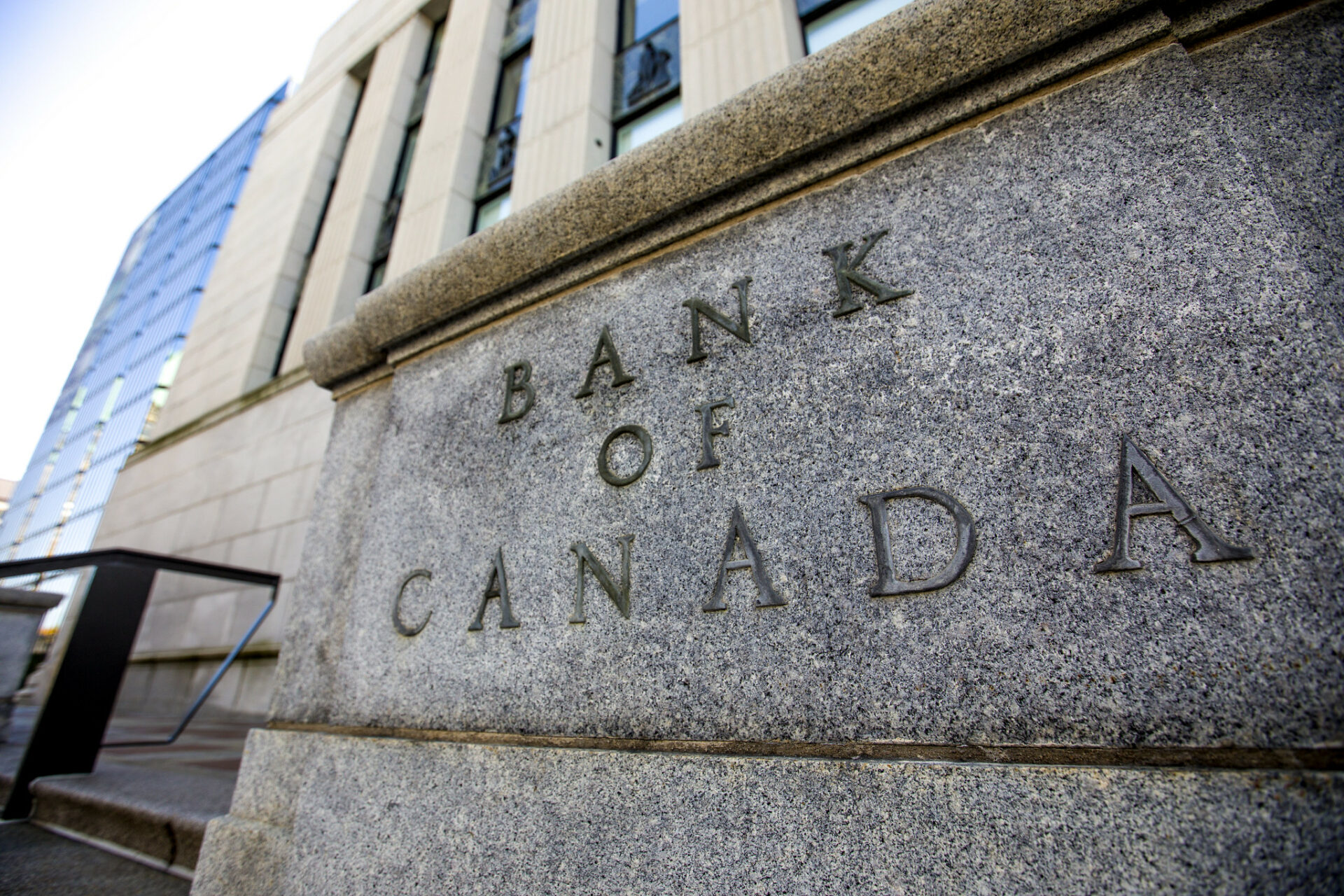
The Bank of Canada's policy rate is 2.25%. It has been at that level since October 2025 and was held again at the September 2, 2026 decision. The next decision is Wednesday, October 28, 2026. This page is updated after each decision and when expectations change significantly.
The short version: most economists expect the Bank to hold at 2.25% on October 28. The risk has moved toward a rate increase, not a cut, because inflation rose to 3.1% in September. Variable-rate mortgages would feel a hike right away.
Last updated: October 20, 2026.
Where the rate stands today
- Policy rate: 2.25%.
- Prime rate: 4.45%, which sets variable mortgage rates. Prime moves with the policy rate.
- Last decision: September 2, 2026, rate held.
- Next decision: October 28, 2026, announced at 9:45 a.m. Eastern with a new Monetary Policy Report that includes updated forecasts.
- After that: December 9, 2026. The Bank announces its calendar a year ahead, so we add 2027 dates once they are published.
Why the October 28 decision is closely watched
- Inflation rose to 3.1% in September from 3.0% in August, just above the Bank's 1% to 3% control range. Gasoline prices were up about 28% from a year earlier. Without gasoline, inflation eased to 2.2%.
- Core measures are lower. The Bank's preferred measures, CPI-trim and CPI-median, were 1.8% and 1.9% from a year earlier.
- The job market is weak. Canada lost 68,000 jobs in September, the second monthly decline in a row, and trade tensions with the United States are weighing on growth.
- The Bank has warned about energy prices. Governor Tiff Macklem said the new forecast will show inflation "quite a bit higher" than the July projection. The Bank can look through a short-lived jump in fuel prices, but it has said that a longer one could spread to other prices and force an increase.
What economists expect
- October 28: the economists we reviewed (RBC, TD, CIBC and others) expect a hold. RBC says a hike is possible but not its base case.
- Rest of 2026: some expect the Bank to wait through year-end unless inflation broadens. RBC does not expect an increase in 2026, with modest tightening starting in 2027.
- Market pricing swings quickly. The odds of a hike changed sharply after the jobs and inflation reports, and sources report different numbers. Check a live source rather than relying on a figure that was current when it was written.
- No one expects a cut soon. With inflation above 3%, forecasts have moved from cuts to holds, and to possible increases in 2027.
What each outcome would mean for your mortgage
- Hold (the most likely): prime stays at 4.45% and variable payments do not change. Fixed rates still move with bond yields, so they can change even when the Bank does not.
- Quarter-point hike: prime rises to 4.70%. On a $500,000 variable-rate mortgage with a 25-year amortization, the payment rises by about $70 a month. If your variable-rate mortgage has a fixed payment, more of it goes to interest instead.
- Quarter-point cut: unlikely, but it would lower the same payment by about the same amount.
Fixed rates follow the Government of Canada five-year bond yield, which reacts to expectations about the Bank's next moves. A fixed rate can rise ahead of a hike and fall if the outlook softens.
What to do about it
- Know your renewal date and test your budget at a rate one or two points higher.
- Variable-rate holders: check whether your payment changes with prime or stays fixed, and how much room you have.
- Buying soon: ask for a rate hold, and compare lenders and brokers, because the spread between lenders is often larger than a single Bank decision.
- Run the numbers with our mortgage calculator.
For the longer view, see What could mortgage rates look like in 2027?, and to understand the link between the policy rate and your mortgage, see How Bank of Canada decisions affect your mortgage.
Nobody can predict rates, including the Bank. Treat forecasts as a range of opinion, not a promise.
Sources: Yahoo Finance Canada: Canada's inflation jumps to 3.1%, BNN Bloomberg: Bank of Canada set for pair of important data drops, Mortgage Professional America: what top economists say about September's jobs shock, Storeys: Bank of Canada rate announcements 2026, Bank of Canada: policy interest rate.
Put numbers on it
- What is your home worth? — A free estimate from public data, in about a minute.
- Mortgage calculator — Your payment, insurance and the cash to close, or how much you can afford.
- Rent or buy? — Compare what you would be left with each way over time.
Home prices: Toronto · Montréal · Vancouver · Calgary · Edmonton · Ottawa · all 60 cities
General information only, not financial, legal or tax advice. Rules and rates change; confirm with a qualified professional.