
How Bank of Canada decisions affect your mortgage
The central bank's rate moves variable mortgages directly and fixed ones indirectly.
October 12, 2026 · 3 min read
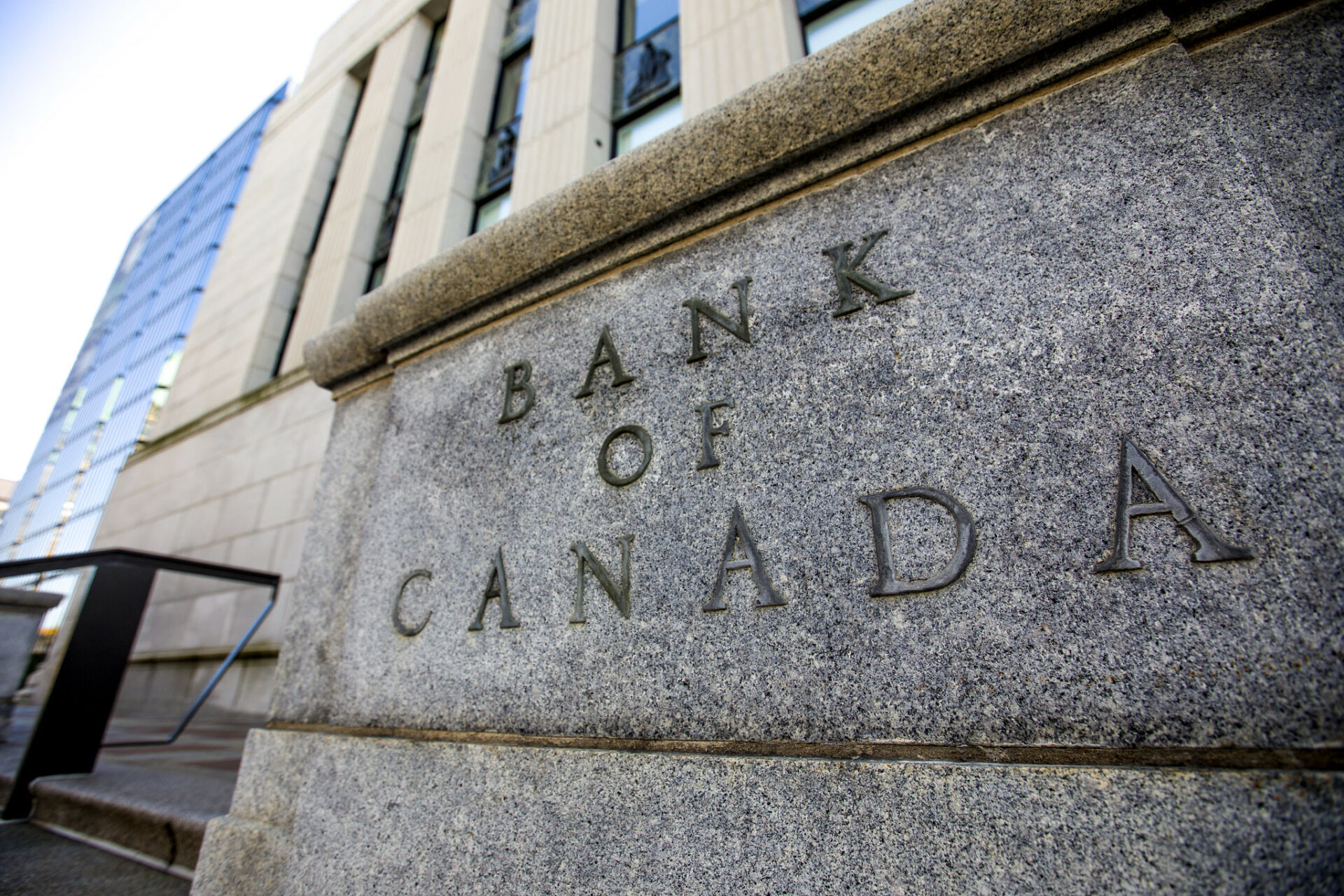
The Bank of Canada sets its policy rate, the overnight rate, about eight times a year. Its decisions ripple through the mortgage market, but not always in the way people expect, and not for every borrower at the same time.
The short version: variable mortgage rates follow the policy rate almost one-for-one. Fixed rates follow bond yields instead, so they can move without any Bank of Canada decision.
What the policy rate is
The Bank of Canada sets a target for the overnight interest rate. This policy rate influences the rates financial institutions charge each other and, indirectly, borrowing rates for households and businesses. The Bank raises it to slow inflation and cuts it to support the economy. After rising to 5% in 2023, it was cut in stages, and it now stands at 2.25%. The most recent decision, on September 2, 2026, held it there, and the next is scheduled for October 28, 2026.
Variable mortgages
Variable mortgage rates are tied to your lender's prime rate. Canada's major banks currently set prime at about 2.20 percentage points above the Bank of Canada's policy rate. Prime is set by each bank, not by a formula, and banks usually change it within days of a Bank of Canada move. With the policy rate at 2.25%, prime is 4.45%.
If the Bank raises or cuts its rate, variable rates follow almost one-for-one. Whether your payment changes depends on the type: with an adjustable-rate mortgage the payment changes, while with a fixed-payment variable the payment stays the same and the interest share changes.
Fixed mortgages
Fixed rates work differently. They follow the yield on Government of Canada bonds, especially the five-year yield, which reflects what investors expect about inflation and future rates. A fixed rate can rise or fall even when the Bank does nothing, and it often moves before a decision in anticipation of it. Lenders then add a margin for their costs and risk.
Example: $500,000 variable mortgage, 25-year amortization
- At 3.40%, the payment is about $2,476 a month.
- If the Bank cut 0.25% and the rate fell to 3.15%, it would be about $2,410, roughly $66 less.
- A 0.25% increase would cost roughly $67 more.
What it means at renewal
If you have a fixed mortgage, you feel the Bank's decisions mainly when you renew, because your new rate depends on bond yields and lender pricing at that time. On a $435,000 balance with 20 years left, a renewal at 5% instead of 4% adds about $230 a month.
What to do
- Watch the announcement dates, but do not try to time the market.
- Choose a mortgage you can afford under higher rates.
- Test your budget at a payment 1 or 2 points higher.
- If you are choosing between fixed and variable, see our guide on the two.
Decisions are announced at 9:45 a.m. Eastern on scheduled dates published by the Bank of Canada. For what forecasters expect next year, see our rates outlook for 2027.
Sources: Bank of Canada: policy interest rate, Canadian Mortgage Trends: Bank of Canada holds policy rate at 2.25%.
Source: Bank of Canada
General information only, not financial, legal or tax advice. Rules and rates change; confirm with a qualified professional.