
Winterizing your home: a simple checklist
A few jobs in the fall prevent frozen pipes, ice dams and high heating bills.
September 13, 2026 · 2 min read
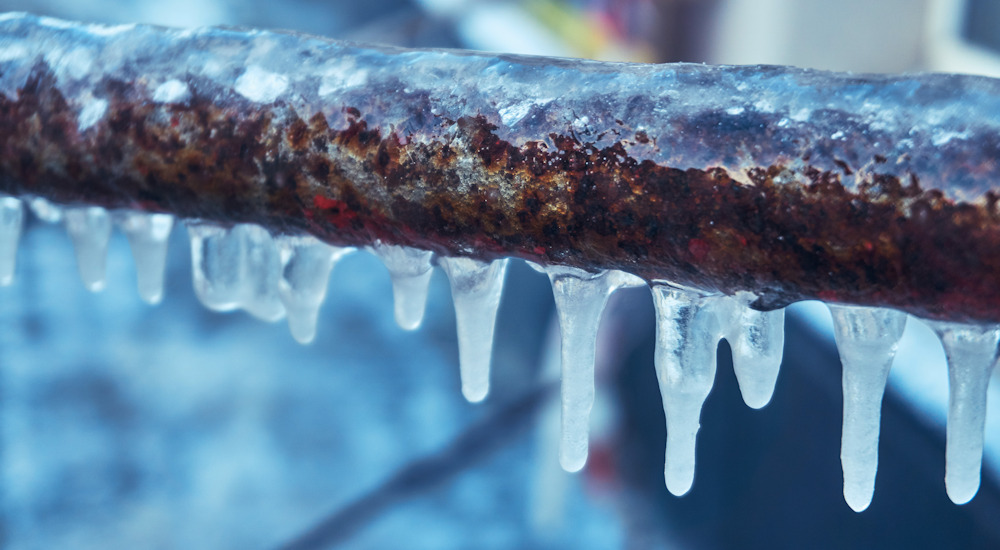
A bit of preparation in the fall can prevent frozen pipes, ice dams, drafts and high bills. Do the tasks in this checklist before the first deep freeze.
The short version: protect your pipes, seal drafts, service the heat, clear gutters and tidy the yard before winter, and keep an eye on the house when it gets cold.
Outside
- Disconnect garden hoses, shut off the interior valve to outdoor taps and drain them.
- Clean gutters and make sure downspouts drain away from the house.
- Check the roof for loose shingles and flashing.
- Seal gaps around windows, doors and where pipes or wires enter.
- Trim branches that could fall on the house or lines.
- Drain and store the irrigation system.
- Put away patio furniture, and have snow shovels and salt ready.
- Check the driveway and walkways for cracks that could ice up.
Inside
- Service the furnace and change the filter.
- Test smoke and CO alarms.
- Add weatherstripping to doors, and check window seals.
- Reverse ceiling fans to push warm air down.
- Have the chimney inspected before using a fireplace.
- Insulate exposed pipes in unheated spaces like crawl spaces, garages and exterior walls.
- Know where your main water shut-off is.
Protect pipes
Frozen pipes can burst and cause major damage. In very cold weather, open cabinet doors under sinks on exterior walls, let a trickle of water run at risk taps and keep the heat on. If you leave for a while, keep the heat on at a safe temperature and ask someone to check the house, or ask your insurer about its requirements for vacant periods.
If a pipe freezes
Shut off the water, open the tap and thaw the pipe slowly with a hair dryer or warm towels. Never use an open flame. If it has burst or you cannot reach it, call a plumber.
Ice dams
Ice dams happen when heat escapes into the attic, melts snow and refreezes at the edge. The lasting fix is better insulation, air sealing and ventilation. Remove snow carefully, and avoid chipping at the ice.
Emergency kit
Keep flashlights, batteries, water, non-perishable food, blankets and a first-aid kit. Have a plan for power outages, including safe heat. Never use a barbecue or generator indoors.
Example
An hour spent draining outdoor taps and sealing a gap around a pipe can prevent a burst pipe costing thousands.
General information only, not financial, legal or tax advice. Rules and rates change; confirm with a qualified professional.