
Fire safety at home: alarms, extinguishers and an escape plan
Working alarms and a practised escape plan are the two most important protections.
September 25, 2026 · 2 min read
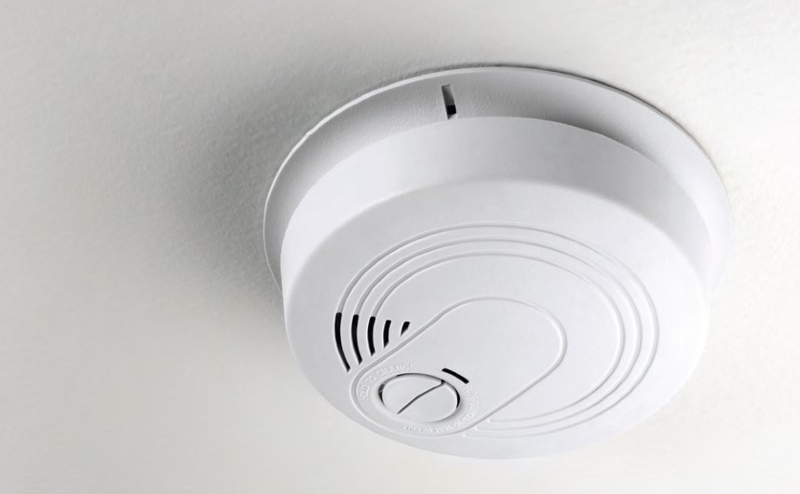
A house fire can spread in minutes, so early warning and a plan to get out matter more than anything else. Most of the steps are simple and cheap.
The short version: working smoke alarms on every level and outside bedrooms, a practised escape plan with two exits from each room, and safe habits in the kitchen and with heating.
Smoke alarms
Install smoke alarms on every level of the home and outside each sleeping area. In Ontario, a working smoke alarm is required on every storey and outside all sleeping areas, and failing to comply can mean a $360 ticket or a fine of up to $50,000 for an individual. Other provinces have similar rules, so check with your local fire service.
- Types: ionization and photoelectric alarms each have strengths. Consider using both technologies, or combination alarms designed to provide both types of detection. A pause button helps with nuisance alarms.
- Placement: mount on the ceiling, or high on a wall, away from bathrooms, windows, ceiling fans and cooking appliances.
- Testing: test monthly.
- Batteries: change them at least once a year if they are replaceable. Many alarms now have sealed 10-year batteries.
- Replacement: replace the whole alarm every 10 years, as the date on the back shows.
- Cleaning: vacuum the alarm once a year.
Extinguishers
Keep a multipurpose fire extinguisher in the kitchen and know how to use it. Remember the rule: get out first, and only fight a small fire if it is safe, with an exit behind you.
Make an escape plan
- Draw a floor plan of each level, marking all doors, windows and stairways.
- Plan two ways out of each room where possible.
- Make sure windows open easily.
- Plan who will help young children, older adults or people with disabilities.
- Pick an outdoor meeting place a safe distance away.
- Practise it with everyone in the house, and hold a timed drill twice a year.
Prevent fires
- Never leave cooking unattended.
- Clean the dryer lint trap and vent.
- Keep space heaters away from anything flammable.
- Have chimneys and fuel-burning equipment inspected yearly.
- Store lithium-ion batteries, such as e-bike and scooter batteries, away from exits, and charge them only when you are awake and nearby.
- Keep candles in sturdy holders and put them out when you leave.
If an alarm sounds
If an alarm sounds at night, get everyone out by the planned route, close doors behind you and call 911 from outside. Do not go back in.
Checklist
- Smoke alarms on every level and outside bedrooms.
- Monthly test and a replacement date.
- Fire extinguisher in the kitchen.
- Escape plan, practised twice a year.
- Clean the dryer vent and service heating equipment.
Check your local fire service's guidance, as requirements differ by province. Tell your insurer about any wood stove or fireplace.
Sources: Ontario: Fire safety at home.
General information only, not financial, legal or tax advice. Rules and rates change; confirm with a qualified professional.