
How to test your home for radon, step by step
Radon is common, easy to test for and fixable. A long-term test gives the most reliable answer.
October 2, 2026 · 3 min read
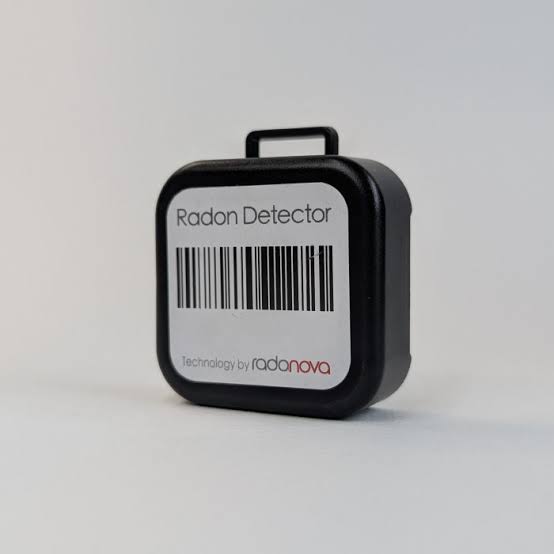
Radon is a radioactive gas that seeps from the ground into homes, and long-term exposure raises the risk of lung cancer. You cannot see or smell it, so the only way to know is to test.
The short version: use a long-term test of at least 91 days in the lowest lived-in level, ideally in the heating season. Health Canada's guideline is 200 Bq/m3, and above it Health Canada recommends taking action to reduce radon.
Why test
Radon levels vary from house to house, even next door, so test your own home. Radon can build up in basements and lower floors, and levels change with the weather and season. A short test can miss the average, which is why Health Canada recommends a long-term test.
What to buy
Buy a long-term test kit from a reputable source or hire a certified radon professional. Look for a lab that is certified, and for professionals certified through the Canadian National Radon Proficiency Program (C-NRPP). Kits are inexpensive compared with other home tests.
When to test
Long-term tests run for at least 91 days and are more reliable than short ones. Health Canada recommends testing for 3 to 12 months if you can, and having at least 91 days fall in the heating season. The best time is the fall or winter, when windows are closed.
Where to place the detector
- In the lowest level you regularly use, the lowest floor where someone spends more than four hours a day. Bedrooms, living rooms, family rooms and dens are preferred. Kitchens, laundry rooms and bathrooms are not.
- At least 30 cm above the floor, in the typical breathing zone.
- At least 30 cm from walls, and not touching an exterior wall.
- About 1 metre from doors, windows and vents, and away from drafts, fans and damp areas.
- Undisturbed for the whole period.
After the test
Mail the kit to the lab and wait for the result. Health Canada's guideline is 200 becquerels per cubic metre (Bq/m3). A result under 200 does not mean zero risk, since risk rises with exposure, so lower is better.
Steps
- Choose a long-term test of at least 91 days.
- Place it in the lowest lived-in level, away from drafts.
- Do not move it during the test.
- Send it to the lab as directed.
- If the result is above 200 Bq/m3, take action to reduce it; a C-NRPP-certified professional can help assess and mitigate the home.
If the level is high
Mitigation, usually a pipe and fan that vent gas from under the slab, is effective. It can usually be installed in less than a day and, in most homes, reduces radon by more than 80%. Retest afterwards to confirm that it works.
Example
A reading of 180 Bq/m3 is below the guideline, but retesting every few years or after major renovations is sensible.
Sources: Health Canada: guide for radon measurements in homes, Health Canada: reducing radon levels in your home.
Source: Health Canada
General information only, not financial, legal or tax advice. Rules and rates change; confirm with a qualified professional.