
Mould and radon: how to check your home and what to do
Both are common, both are invisible or easy to miss, and both can be dealt with.
September 25, 2026 · 3 min read
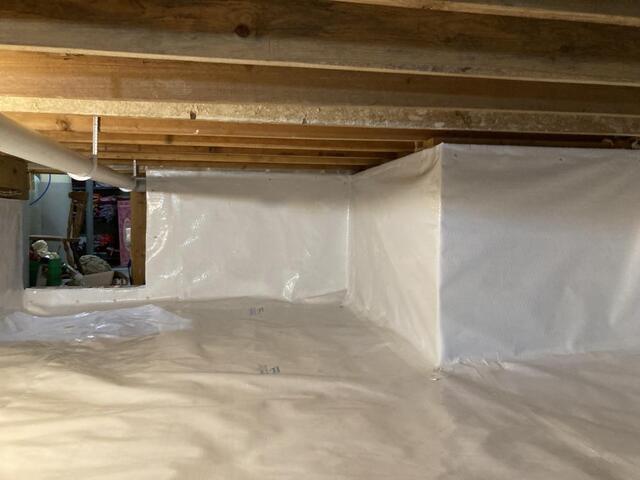
Mould and radon are two indoor air issues worth checking in any home. They are different problems with different solutions, and neither is a reason to panic.
The short version: mould needs moisture, so find and stop the water. Radon comes from the ground and needs a test to find. Both are fixable.
Mould: what it needs
Mould grows where there is moisture: a leaking pipe, a damp basement, condensation on cold surfaces or poor ventilation. It can appear on walls, ceilings, window frames and in hidden spaces. Signs include a musty smell, stains, peeling paint and visible patches.
Mould: how to deal with it
- Find and stop the water source. Cleaning without fixing the cause means it returns.
- Keep indoor humidity roughly between 30% and 50%, using a dehumidifier in damp spaces.
- Use bathroom and kitchen fans, vented outside.
- Dry any wet materials within a day or two.
- Clean small patches on hard surfaces with soap and water.
- Call a professional for large or hidden mould, or mould after a flood.
Mould and health
Mould can irritate the nose, throat and lungs, and people with asthma or allergies may react more strongly. Keeping the home dry is the best prevention, and removing mould is better than covering it.
Radon: what it is
Radon is a radioactive gas from the ground that can build up in basements and lower floors, and it has no smell or colour. Long-term exposure raises the risk of lung cancer. Health Canada's guideline is 200 becquerels per cubic metre (Bq/m3).
Radon: how to find out
The only way to know your level is to test. Long-term tests of at least 91 days, ideally in the fall or winter, give the most reliable result. See our guide on how to test for radon for placement and steps. Kits are inexpensive.
Radon: if the result is high
If the result is above the guideline, a certified radon professional can install a mitigation system, usually a pipe and fan that vent gas from under the slab. It can usually be installed in less than a day and reduces radon by more than 80% in most homes. Retest after mitigation.
Steps
- Look for damp spots, stains and musty smells, especially in basements.
- Fix leaks and improve ventilation.
- Test for radon in the lowest lived-in level for at least 91 days.
- If the result is above 200 Bq/m3, take action to reduce it; a C-NRPP-certified professional can help assess and mitigate the home.
- Retest after mitigation.
Example
A basement test showing 350 Bq/m3 would call for mitigation, which usually involves venting gas from under the slab.
When you buy
Ask about both when you buy, and include a radon test in your inspection plans. A damp basement can hide mould and also be a radon entry point, so look at both.
Source: Health Canada
General information only, not financial, legal or tax advice. Rules and rates change; confirm with a qualified professional.