
Water heater guide: lifespan, upkeep and replacement
A tank lasts roughly 8 to 12 years. Flush it, watch for leaks and plan ahead before it fails.
September 2, 2026 · 2 min read
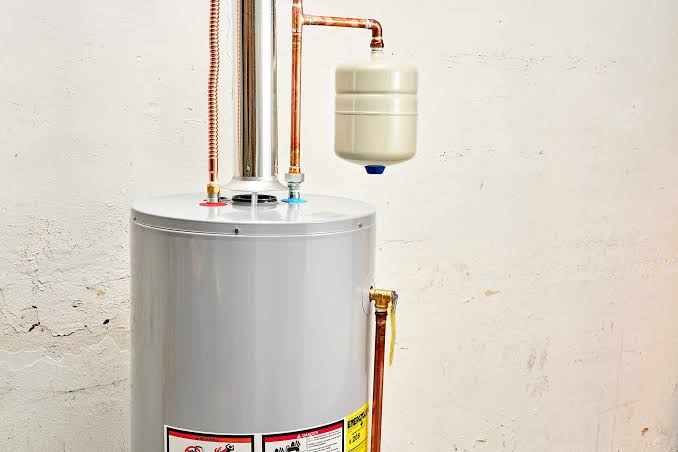
Your water heater runs every day, and you only think about it when it fails. Understanding the options and the warning signs helps you replace it on your schedule, not in an emergency.
The short version: know the type and age, drain the tank yearly, watch for leaks and rust, and compare tank, tankless and heat pump models when it is time to replace it. Ask about rental contracts before you buy.
Types
- Conventional tank (gas or electric): a storage tank that keeps water hot. It is common and lower in upfront cost.
- Tankless (on-demand): heats water as needed. It can save energy and space, but costs more to buy and install, and may need a larger gas line or venting.
- Heat pump water heater: an efficient electric option that uses heat from the surrounding air. It needs space and suitable air flow.
- Rental: some companies rent water heaters. Rentals can cost more over time than buying, so compare.
Lifespan
Tank water heaters commonly last around ten years or more, though it depends on water quality and maintenance. Look at the date on the label, and plan ahead once it is old.
Warning signs
- Water around the base of the tank.
- Rust-coloured water or rust on the tank.
- Rumbling or popping sounds, which can mean sediment.
- Not enough hot water, or water that runs out fast.
- Frequent repairs.
Maintenance
- Drain a few litres from the tank each year to flush sediment, following the manufacturer's instructions.
- Test the pressure relief valve carefully, according to the manual.
- Check the anode rod, which protects the tank from corrosion, every few years.
- Set the temperature according to the manufacturer's instructions and local guidance. Lower temperatures reduce scalding risk, while some systems require higher storage temperatures to control bacteria.
- Insulate exposed hot water pipes.
Safety
Gas models must be vented correctly, so have a professional install and inspect them. A tank leak can cause serious water damage, so place a pan or leak sensor under it, and know where the shut-off valves are.
Choosing a replacement
Compare upfront cost, operating cost, size for your household and warranty. Ask the installer about permits and removal of the old unit. Check for current rebates from your province or utility.
Example
A 12-year-old tank starts leaking at the base. A leak means replacing the tank, so keep the shut-off in mind and get quotes for the options.
General information only, not financial, legal or tax advice. Rules and rates change; confirm with a qualified professional.