
Bringing a 1950s house up to 2020s standards
Fix safety and hidden systems first, then efficiency, then the rooms you see.
September 18, 2026 · 2 min read
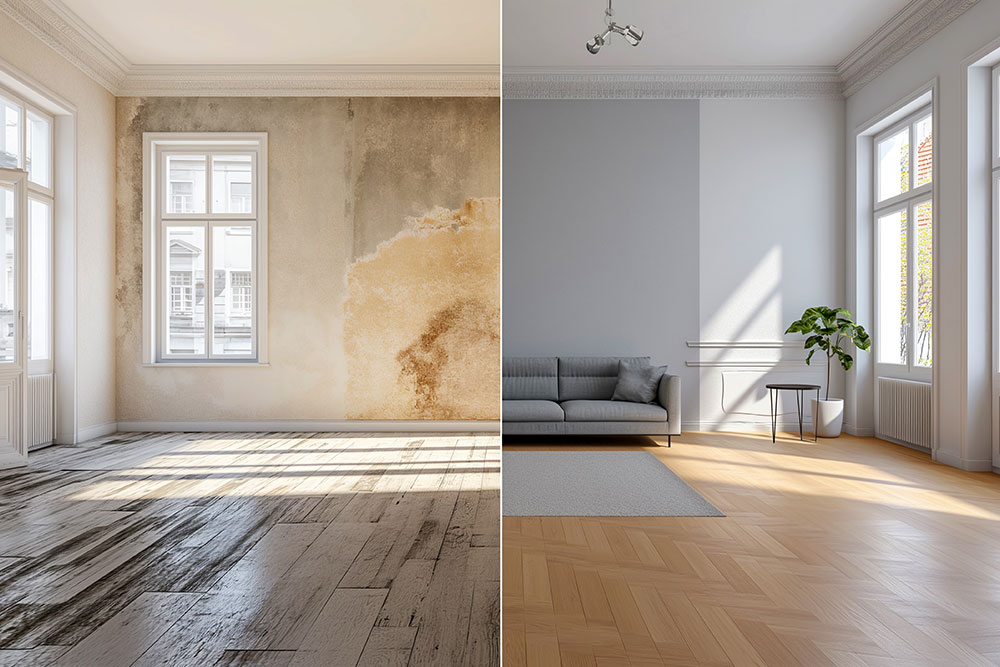
A 1950s house often has good bones: solid framing, mature lots and sensible layouts. It can also hide outdated systems and materials. Knowing what to check helps you decide what to fix first and what can wait.
The short version: put safety and the building envelope first (electrical, plumbing, water, structure, asbestos and lead checks), then insulation and energy upgrades, and finally cosmetics.
Check the systems first
- Electrical: many houses of this period have small panels or old wiring, and some have knob-and-tube. See our guide on panels and old wiring.
- Plumbing: older supply lines may be galvanized steel, which corrodes, and drains may be cast iron or clay. Ask about lead service lines and have an inspector look.
- Heating: old furnaces and boilers may be inefficient or unsafe. Test for carbon monoxide.
- Foundation and drainage: look for cracks, damp and poor grading.
- Roof, windows and chimney: check their age and condition.
Materials to be careful with
Houses from this era may contain asbestos (in some insulation, flooring, plaster or pipe wrap) and lead paint. Do not sand, scrape or demolish materials that may contain them. Test first, and use qualified professionals. Health Canada has guidance on both.
Insulation and air sealing
Many 1950s houses have little insulation and leaky walls and attics. Improving the attic and sealing air leaks often gives the best return. A home energy audit can prioritize the steps. Be careful with adding insulation or changing ventilation in a way that traps moisture.
Layout and living space
Small rooms, closed kitchens and limited storage are typical. Removing a wall may need an engineer's review if it is load-bearing. Basements may have low ceilings and moisture to resolve before finishing.
Permits
Structural, electrical, plumbing and gas work usually need permits and inspections. Check with your municipality before starting.
A sensible order
- Safety: electrical, gas, alarms, asbestos or lead issues.
- Water: roof, drainage, foundation and plumbing leaks.
- Efficiency: air sealing, insulation, windows and heating.
- Function: kitchen, bath and layout.
- Style: paint, floors and finishes.
Example
You buy a 1955 bungalow with a 60-amp panel and a damp basement. Fixing the drainage and panel first protects the house and makes later work safer.
Budget for surprises, and get several quotes.
General information only, not financial, legal or tax advice. Rules and rates change; confirm with a qualified professional.