
Sump pump maintenance: how to keep your basement dry
A sump pump only helps if it works when you need it. Test it, clean it and plan a backup.
August 25, 2026 · 2 min read
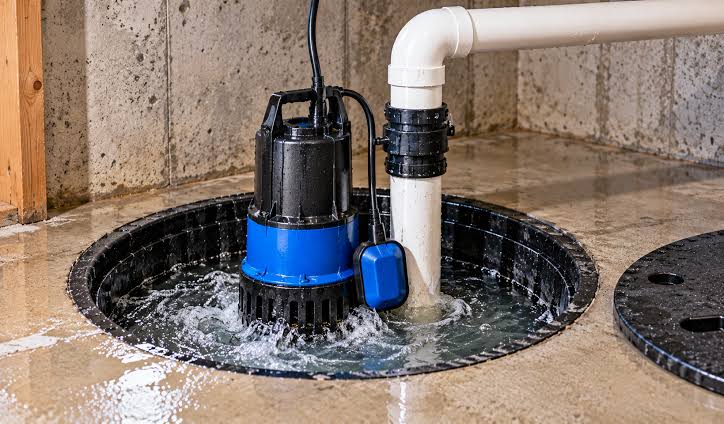
A sump pump keeps groundwater out of your basement. When it works, you hardly notice it, and when it fails during a storm, the damage can be severe. A few minutes of testing each year goes a long way.
The short version: test your pump every few months and before spring thaw, clean the pit, check the discharge line and consider a battery backup for power outages.
What it does
A sump pump sits in a pit in the basement floor. When water rises to a set level, a float switch turns the pump on, and it pushes the water outside through a discharge pipe, away from the foundation.
Testing it
- Pour a bucket of water into the pit.
- The float should rise, the pump should start and the water should drain quickly.
- The pump should switch off when the water falls.
- Listen for grinding or rattling noises.
Test every few months, before the spring thaw and before heavy rain.
Regular maintenance
- Clean debris and sediment from the pit.
- Make sure the pump is upright and not stuck on the sides.
- Check the float moves freely.
- Inspect the check valve on the discharge pipe, which prevents water from flowing back.
- Check that the discharge pipe is clear, not frozen, and ends well away from the foundation.
- Make sure the power cord is plugged into a working outlet, ideally protected by a GFCI.
Lifespan
Sump pumps do wear out. Check the manufacturer's guidance for your model, and replace an old pump before it fails, particularly in a flood-prone area.
Backups
Storms often cause power outages exactly when the pump is needed. A battery backup pump or a water-powered backup (where allowed) can keep it working. A secondary pump and an alarm that warns of high water are other options.
Insurance
Many home insurance policies exclude sewer backup and groundwater seepage unless you add specific coverage. Ask your broker what is covered, since it varies.
Example
Before spring, you test the pump and find that the water drains slowly. A clogged pit or discharge line may be the cause, and cleaning it costs little compared with flood damage.
Call a plumber or contractor if the pump runs constantly, fails to start or makes unusual noises.
General information only, not financial, legal or tax advice. Rules and rates change; confirm with a qualified professional.