
Electrical panels and old wiring: what to know in an older home
Old wiring and small panels can limit your insurance and your plans. Know what to look for.
August 28, 2026 · 2 min read
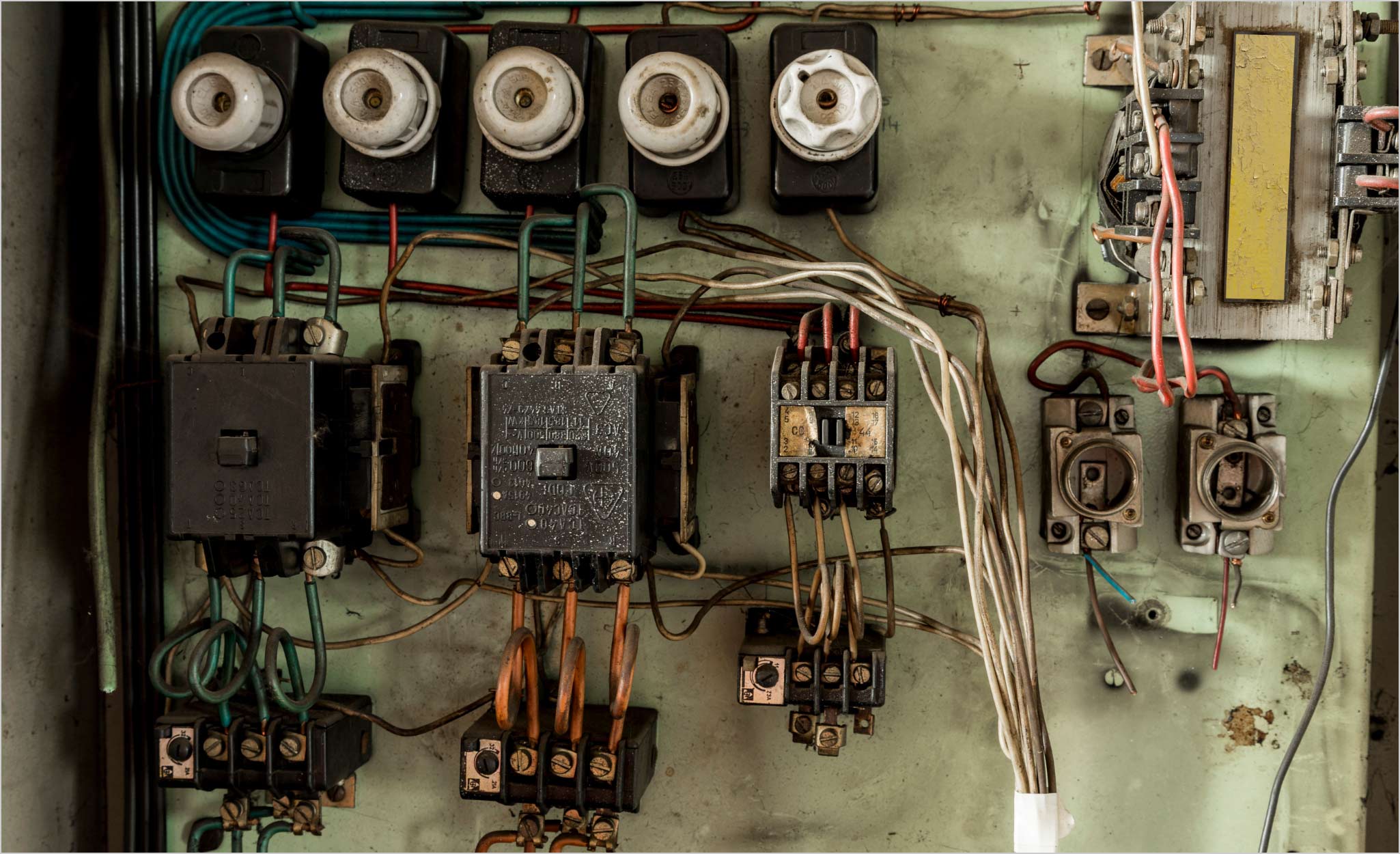
Electrical systems in older homes can be safe, but some types of panels and wiring raise concerns for safety and insurance. Knowing what you have helps you plan.
The short version: have a licensed electrician inspect any older home, especially if it has aluminum wiring, knob-and-tube wiring, fuses or a small panel. Never do electrical work yourself unless it is legal and you are qualified.
The panel
The panel (breaker box) distributes power through the house. Older homes may have fuses or a 60-amp service, which can struggle with modern loads such as electric vehicle chargers, heat pumps and induction stoves. Many homes today have 100 or 200-amp service.
Warning signs include frequent tripped breakers, flickering lights, burning smells, warm or buzzing panels and scorch marks. If you see any, have an electrician look at it quickly.
Wiring types you may find
- Knob-and-tube: used in older homes, typically before about the 1950s. It has no ground wire, and insulation placed over it can create a fire risk. Insurers may restrict or decline coverage.
- Aluminum wiring: used in some homes in the 1960s and 1970s. Connections can loosen and overheat if not handled properly. Only an electrician familiar with aluminum should work on it.
- Copper with cloth or older insulation: may have aged and become brittle.
Insurance
Some insurers ask about your panel and wiring, and may require an inspection or upgrade. Ask your broker before you buy.
Upgrading
Replacing a panel or rewiring a house is a larger project. A licensed electrician can tell you whether you need a new panel, a service upgrade, repairs at connections or full rewiring. Permits and inspections are normally required, and rules vary by province.
Safety basics
- Install ground-fault circuit interrupters (GFCI) in bathrooms, kitchens and outdoors, and arc-fault protection where required.
- Avoid overloading outlets and extension cords.
- Replace damaged cords.
- Know where the main shut-off is.
Buying an older home
Ask about the age of the wiring and the panel, whether it has been updated and whether there are permits. Include an electrician in your inspection plans if it is a concern.
Example
A 1960s house has aluminum branch wiring and a 60-amp panel. Before closing, ask an electrician for a written assessment and a quote, and ask your insurer what it requires.
Costs vary by region and home, so get written quotes.
General information only, not financial, legal or tax advice. Rules and rates change; confirm with a qualified professional.