
Carbon monoxide safety: alarms, sources and what to do
Carbon monoxide is invisible and odourless. An alarm and annual servicing are your protection.
September 14, 2026 · 2 min read
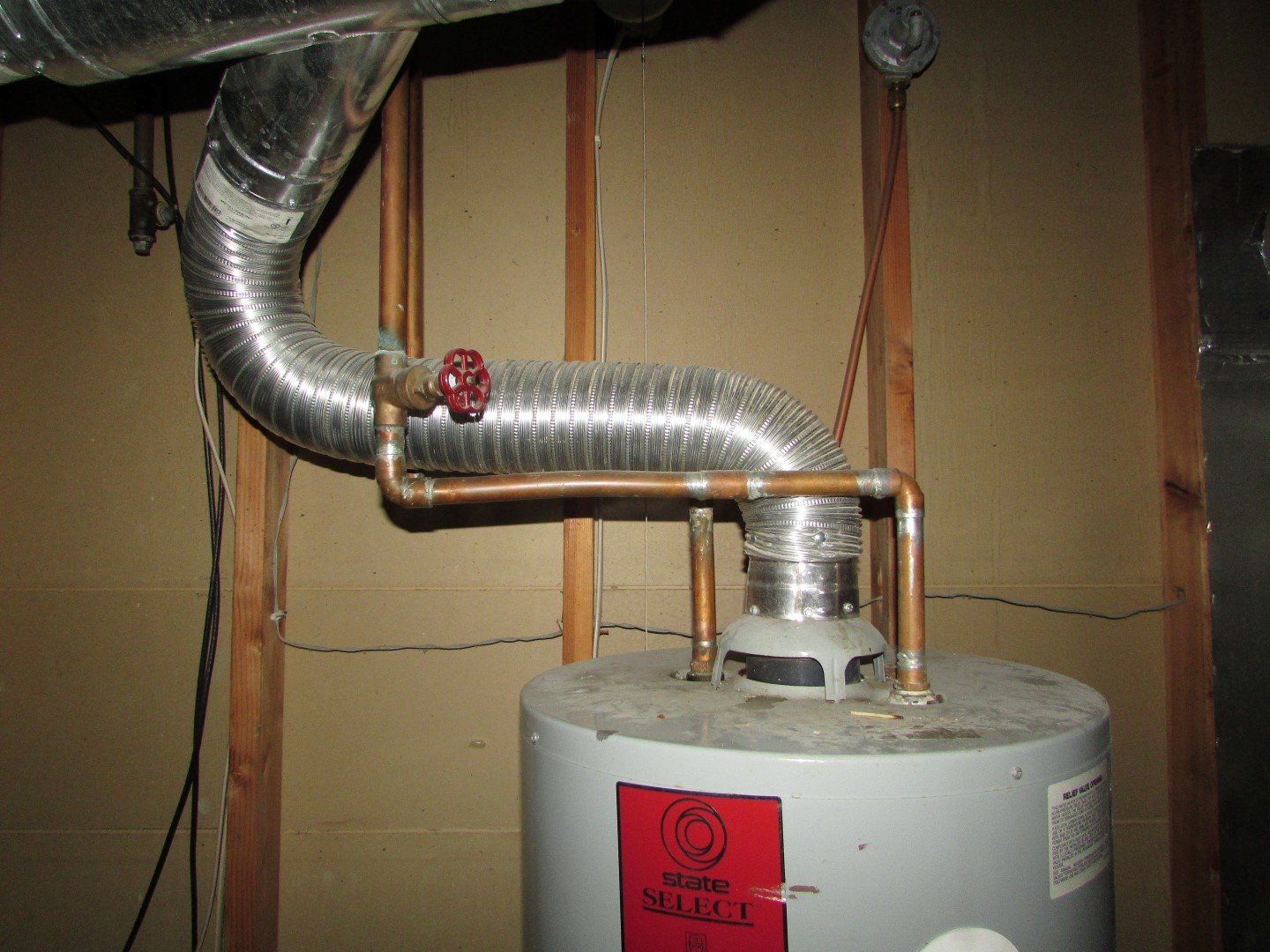
Carbon monoxide (CO) is a gas you cannot see or smell. It is produced whenever fuel burns without enough air, and in a closed home it can build up to dangerous levels.
The short version: install CO alarms near sleeping areas and on every level, test them monthly, have fuel-burning equipment inspected every year, and if the alarm sounds, get everyone outside and call 911.
Where CO comes from
Common sources are gas or oil furnaces, water heaters, fireplaces and wood stoves, gas stoves, portable generators, barbecues and cars left running in an attached garage. Blocked vents and exhausts make the problem worse.
Symptoms
Early symptoms are headache, dizziness, nausea, confusion and tiredness, and they can be mistaken for the flu. If several people in the home feel ill at the same time, or feel better when they leave, suspect CO. Pets may show signs first.
Alarm rules
Install CO alarms on every level and next to sleeping areas. In Ontario, alarms are required in homes with a fuel-burning appliance, a fireplace or an attached garage, and from January 1, 2026, also in homes heated by air from a fuel-burning appliance located outside the home. Other provinces have their own rules, often through the building or fire code, so check with your local fire service.
- Choose alarms that carry a CSA, ULC or ETL mark.
- Never remove the batteries or tamper with an alarm.
- Plug-in, battery and hard-wired models exist, and combination smoke and CO alarms are fine if labelled for both.
Testing and replacing
Test your alarms monthly with the test button, replace batteries every year and replace the whole alarm according to the manufacturer's date, often every 7 to 10 years. Know the difference between the low-battery chirp, the end-of-life warning and the emergency alarm.
Prevention
- Have furnaces, water heaters and chimneys inspected every year by a qualified technician.
- Keep vents and exhausts clear of snow and debris.
- Never run a generator, barbecue or fuel-burning heater indoors or in the garage.
- Do not warm up a vehicle in an attached garage, even with the door open.
- Do not use a gas oven to heat your home.
If the alarm sounds
- Get everyone outside into fresh air immediately.
- Call 911 or your local emergency number from outside.
- Do not go back in until responders say it is safe.
- Have the source found and fixed before using the appliance again.
Example
Heavy snow can block a high-efficiency furnace's exhaust pipe outside. Clearing it regularly prevents fumes from backing up.
Do not rely on smoke alarms
Smoke alarms detect different things. A combination alarm is fine if it is labelled for both.
Sources: Ontario: Carbon monoxide safety.
Source: Health Canada
General information only, not financial, legal or tax advice. Rules and rates change; confirm with a qualified professional.