
Must-have power tools for DIY (and what to skip)
Five or six good tools handle most home projects. Start there, and borrow or rent the rest.
September 21, 2026 · 2 min read
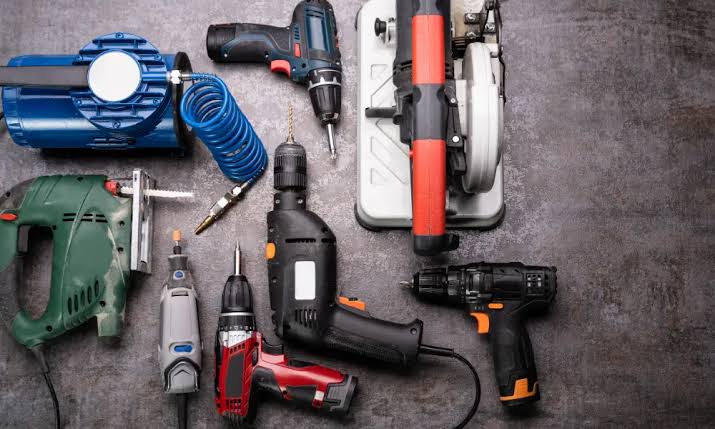
You do not need a huge tool collection to get started on home projects. A few well-chosen tools cover most jobs, and you can add specialty tools as needed.
The short version: start with a cordless drill/driver, a circular saw or jigsaw, a sander, a level and safety gear. Buy quality for tools you will use often, and rent or borrow the rest.
The starter set
- Cordless drill/driver: the most useful power tool. Buy one with two batteries and a charger, and pick a battery platform that you can expand.
- Impact driver: drives screws faster and with less effort.
- Circular saw: straight cuts in lumber and sheet goods.
- Jigsaw: curves and cut-outs.
- Orbital sander: smooth surfaces before painting or staining.
- Oscillating multi-tool: flush cuts, trimming and tight spaces.
Hand tools that go with them
A good tape measure, level, stud finder, hammer, utility knife, screwdrivers, pliers, adjustable wrench, clamps and a speed square will see regular use.
Add as you need
- Miter saw, for trim, framing and decking.
- Table saw, for large projects, with extra training and safety.
- Router, for edges and joinery.
- Shop vacuum, for cleanup and dust.
- Pressure washer, for outdoor cleaning.
Rent, borrow or buy
Rent tools you will use once, such as tile saws or floor sanders. Buy tools you will use repeatedly. Tool libraries in some communities let you borrow tools. Check the cost against hiring someone.
Buying tips
- Choose a battery system and stay with it.
- Read reviews and compare warranties.
- Buy quality for tools that matter, and basic for ones you rarely use.
- Check the weight and grip. A tool you can hold comfortably is safer.
Safety
Wear safety glasses, hearing protection and a dust mask or respirator. Use gloves when appropriate, but not near rotating tools. Clamp your work, unplug or remove the battery when changing blades or bits and read the manual. Keep a first-aid kit nearby.
Storage and care
Store tools in a dry place, keep blades sharp and follow battery care instructions. Keep cordless batteries out of extreme heat or cold.
Example
A drill/driver, a level and a set of bits are enough to hang shelves, assemble furniture and make minor repairs.
General information only, not financial, legal or tax advice. Rules and rates change; confirm with a qualified professional.