
Legal basement apartments: what it takes to rent one out
A secondary suite can offset your mortgage, but it must meet zoning, building and fire rules.
September 30, 2026 · 2 min read
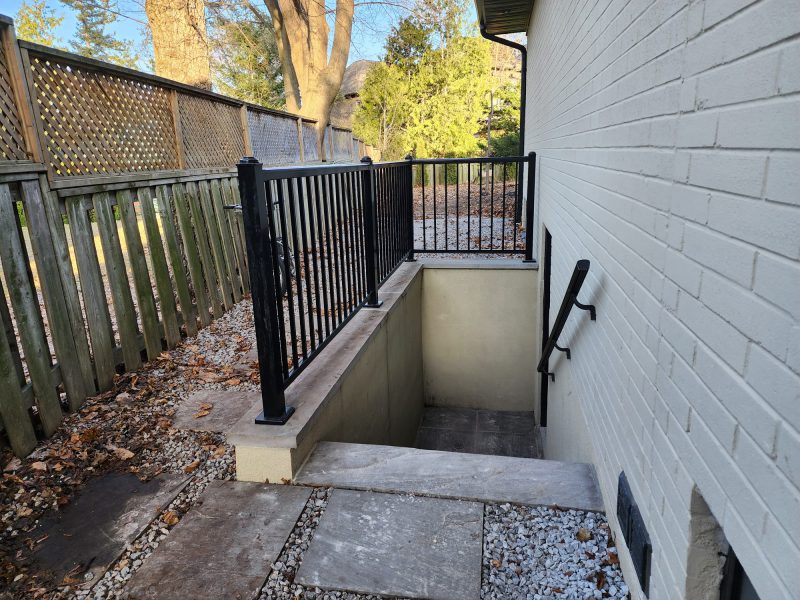
A legal basement apartment can add rental income and flexibility, but it must meet zoning, building and fire rules. An illegal one risks fines, insurance problems and safety hazards.
The short version: confirm zoning, get permits, meet building and fire code, tell your insurer and report the income. Costs and rules vary by municipality, so start with your city.
What "legal" means
A legal secondary suite is permitted by zoning and built, inspected and registered where required under the building and fire codes. Rules vary by province and city, so ask your municipality what applies to your property.
Check zoning first
Some neighbourhoods allow secondary suites as of right, others require approval, and some prohibit them. Rules may limit unit size, parking, entrances and owner occupancy. Ontario, British Columbia and other provinces have been changing rules to allow more suites, so check current local rules.
Typical code requirements
Requirements differ, but commonly include:
- Minimum ceiling height.
- A separate entrance or direct exit.
- Egress windows in bedrooms.
- Smoke and carbon monoxide alarms.
- Fire separation between units.
- Adequate electrical capacity, heating, ventilation and plumbing.
- Moisture control and a dry basement.
Ask your municipality for the checklist, and consider a designer or architect familiar with local rules.
Permits and inspections
Work generally needs building permits and inspections for electrical, plumbing, and framing. Skipping permits can lead to orders to remove the suite and trouble when you sell.
Insurance
Tell your insurer. Policies may need to be changed for a rental unit, and failing to disclose can affect a claim.
Financing
The CMHC Refinance for Secondary Suites program lets eligible homeowners refinance to build a suite, subject to program rules. Check CMHC and your lender for the current terms. A HELOC or construction loan are other options.
Taxes and landlord rules
Rental income must be reported. Expenses can be deducted, and the rules on capital gains and the principal residence exemption may change if part of your home is rented. Talk to an accountant. Tenancy laws, including rent rules, notice and deposits, vary by province.
Accessibility
The federal Home Accessibility Tax Credit may apply to qualifying accessibility renovations. Check the criteria with the CRA.
Costs and returns
Costs vary widely by region, size and condition. Get several written quotes. Compare the rental income with the construction cost, financing and the extra tax and insurance.
Example
Before buying a home with a suite, ask for permits and inspection records. A suite without them may not be legal.
General information only, not financial, legal or tax advice. Rules and rates change; confirm with a qualified professional.